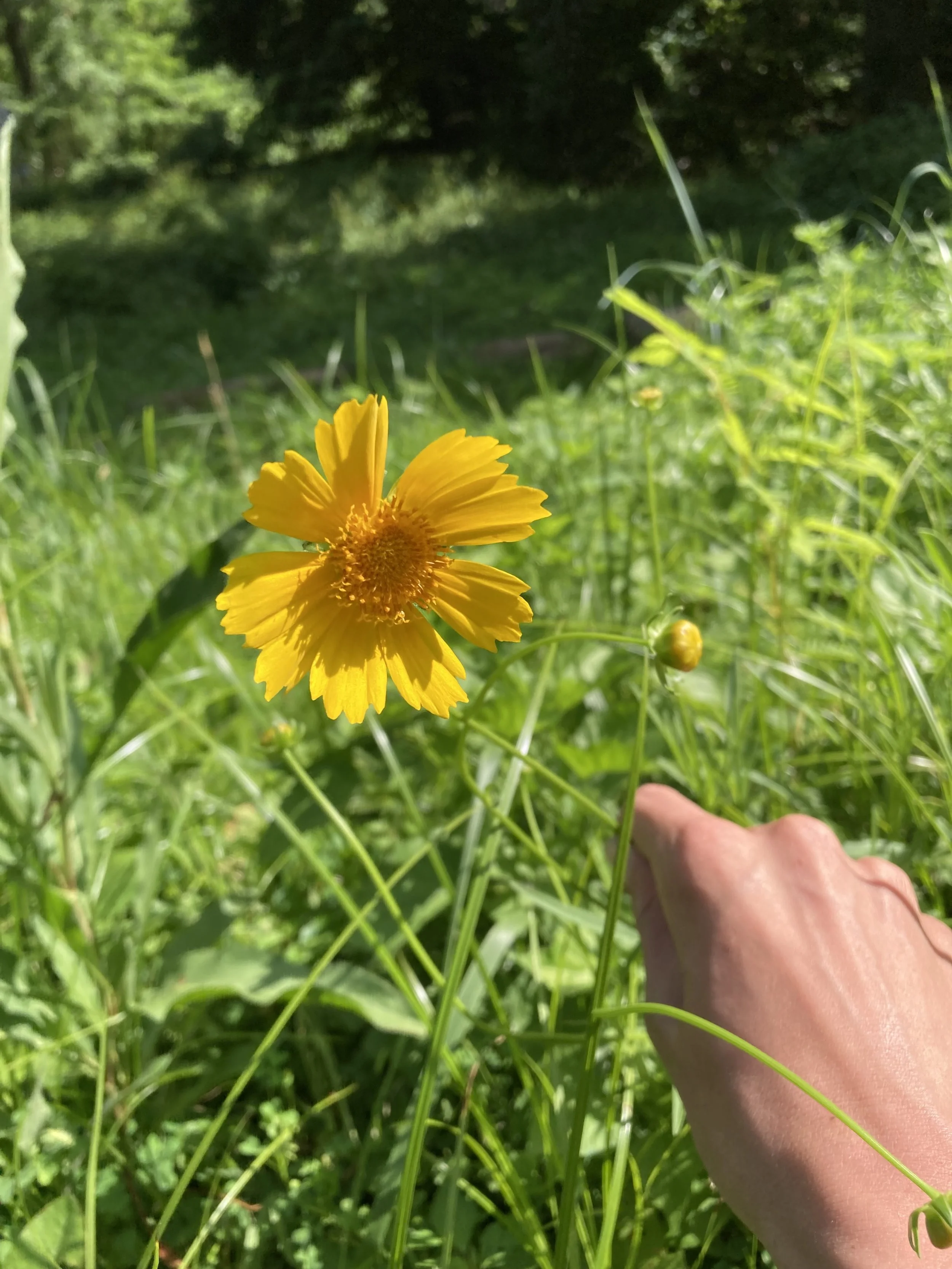
Why Meadows?
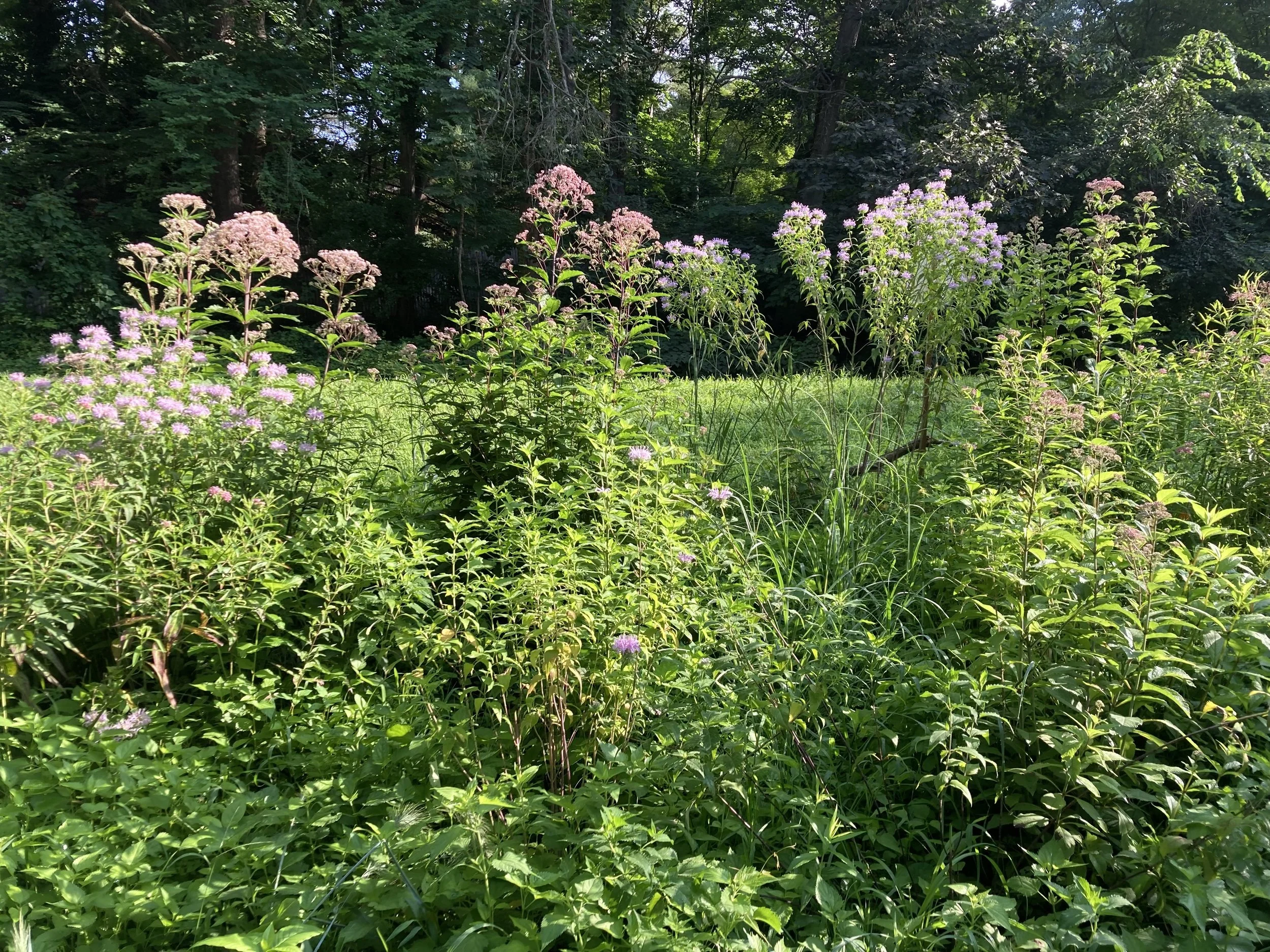
Meadow ecosystems are often overlooked, but are crucial habitat for pollinators, birds, and wildlife, require little maintenance once established, absorb stormwater, and sequester carbon. At Monarch Defenders Philly, we are working to transform degraded areas in the Wissahickon watershed into ecologically functioning native meadows, while spreading awareness to the community about the importance of meadows and native plants. Here are some of the many benefits of native meadows over traditional grass lawns.
1) Habitat for pollinators
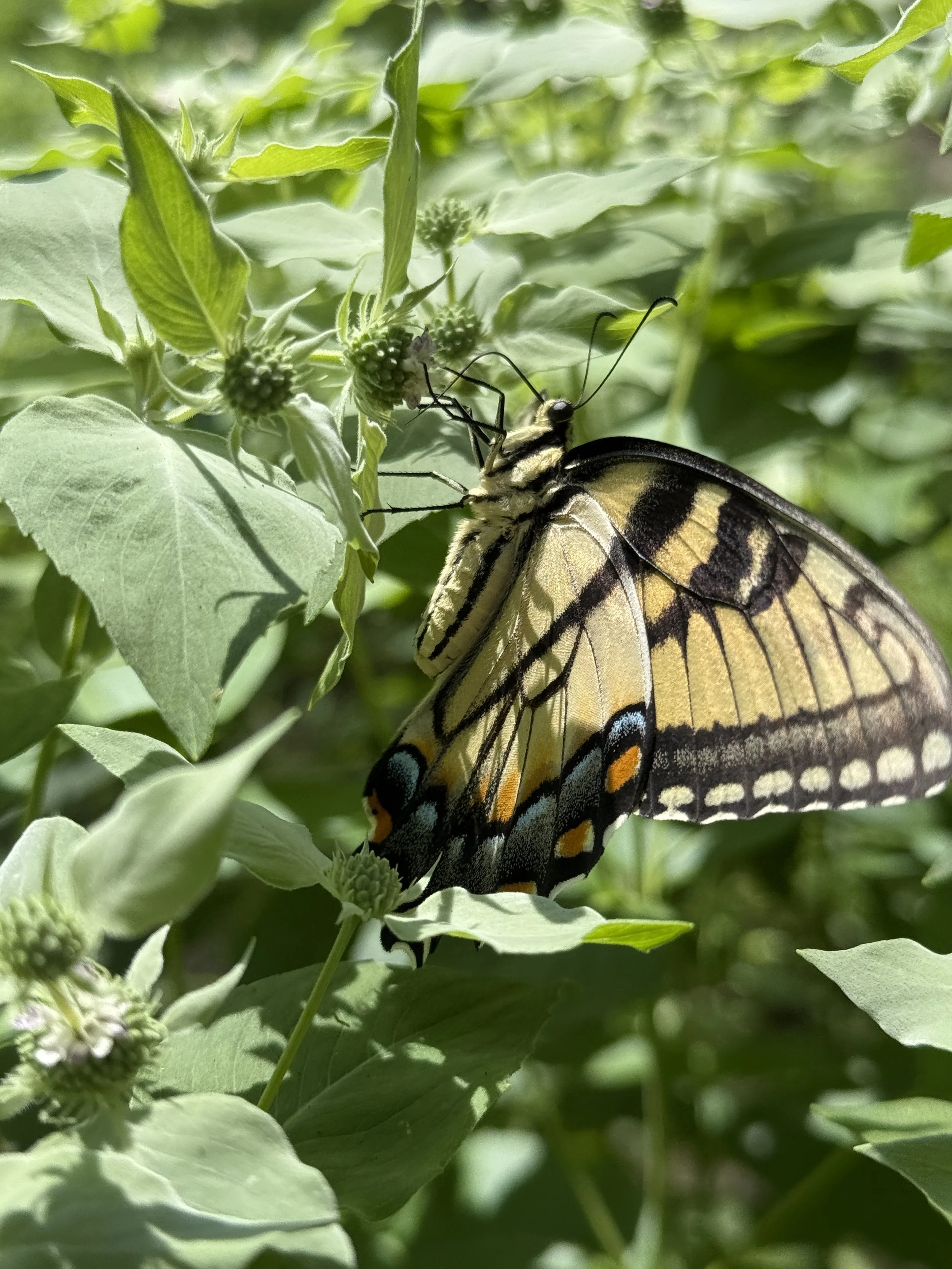
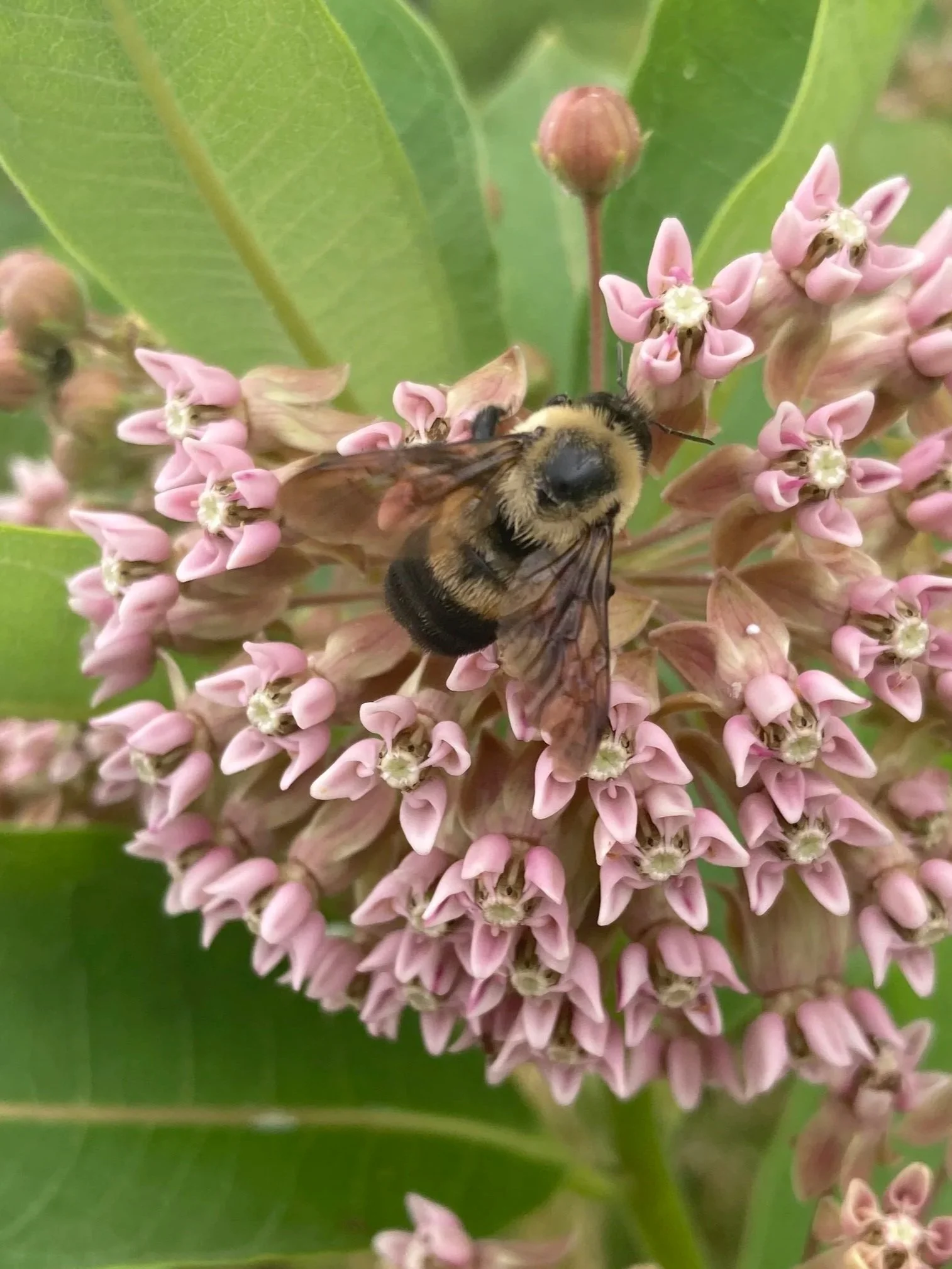
Meadows — open areas dominated by native wildflowers and grasses — provide enormous value for our pollinators. The wide variety of native nectar flowers, from coneflowers to asters and milkweeds to goldenrods, attracts a myriad of bees, butterflies, moths, and other pollinators.
Meadow wildflowers typically serve pollinators in two ways: by providing nectar and acting as host plants which support them in their caterpillar stages. In addition to providing glorious nectar blooms, goldenrod alone supports 115 species of butterfly and moth caterpillars.
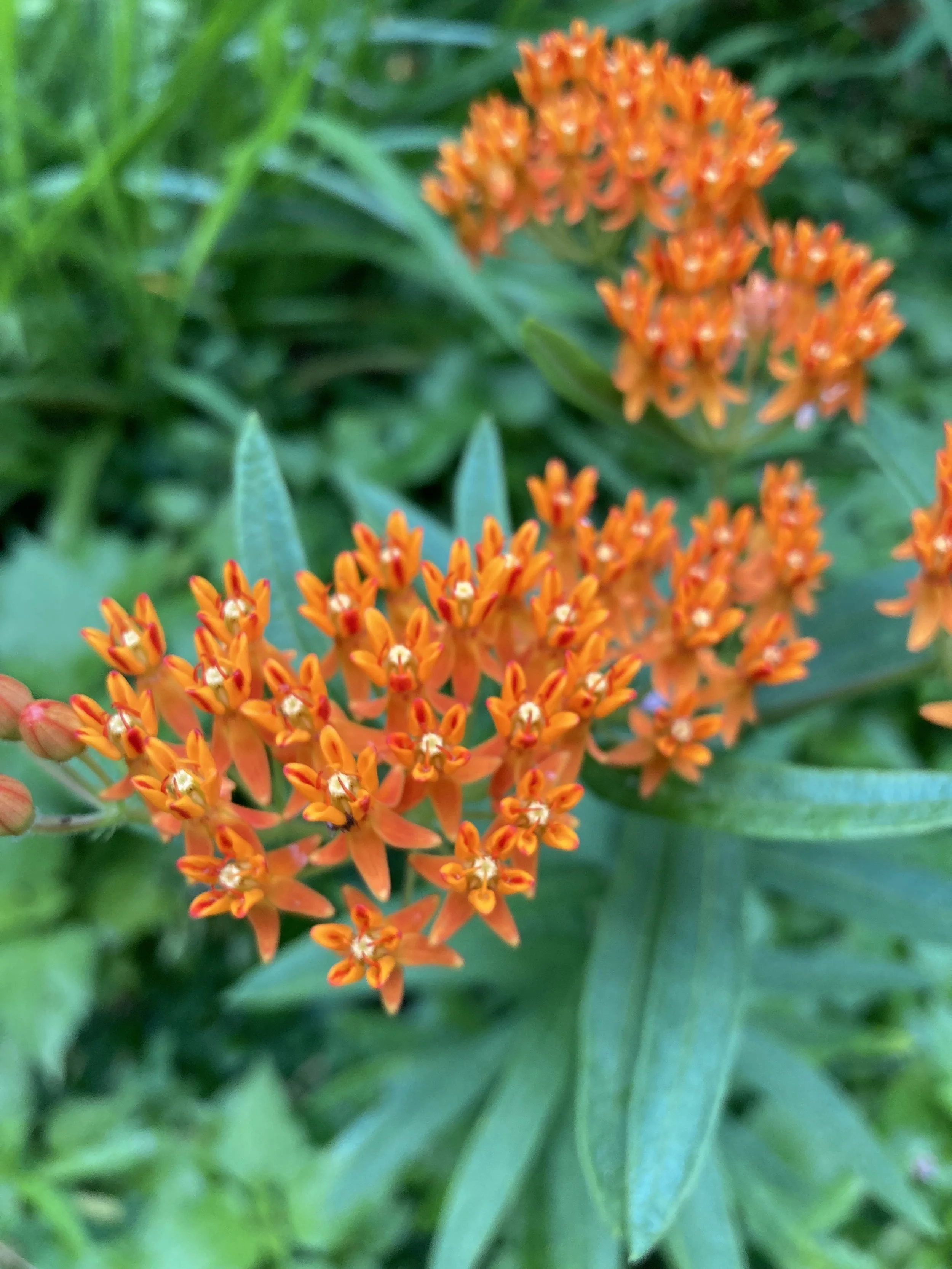
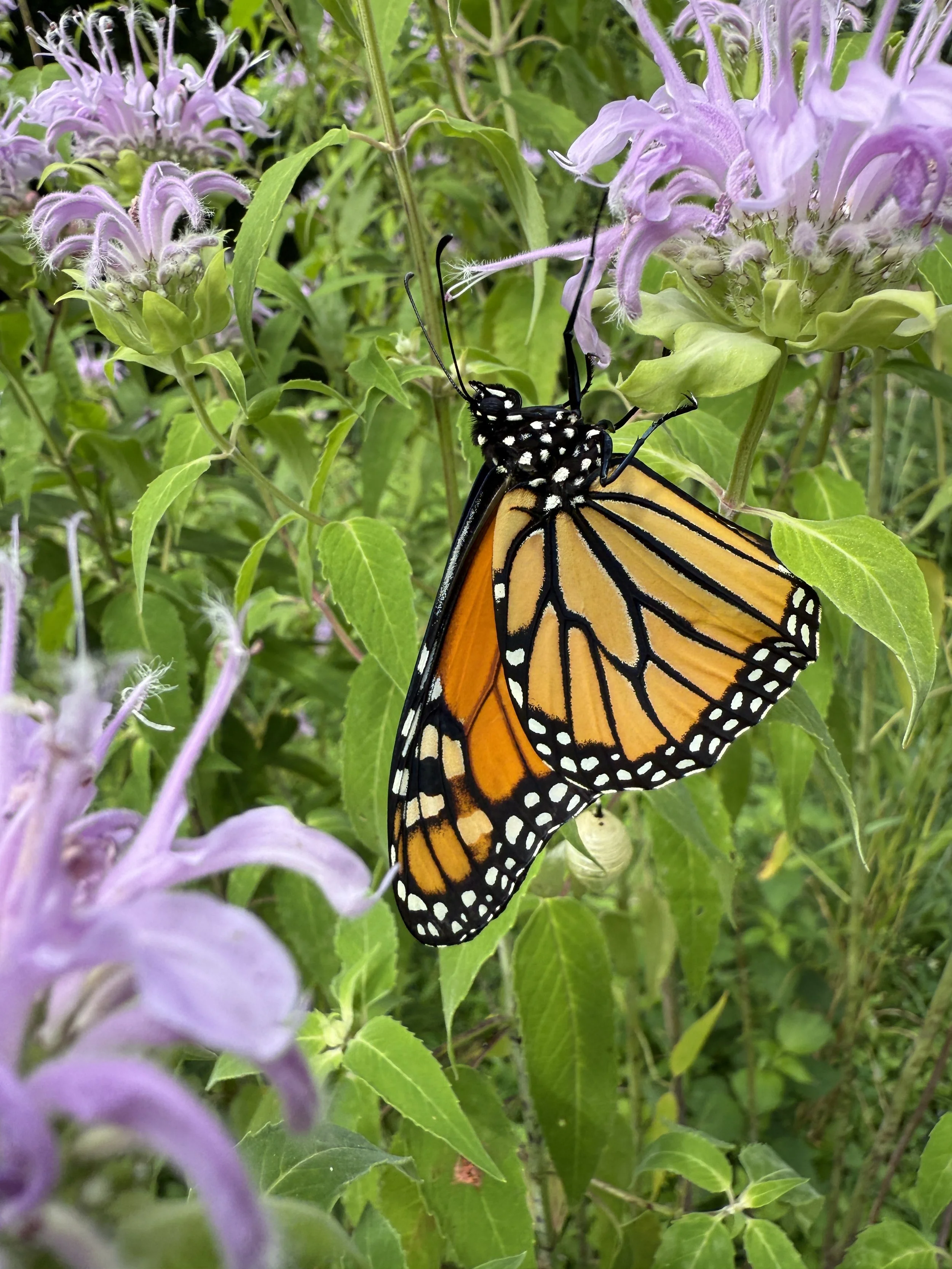
Perhaps the most well-known pollinator that depends on meadows is the endangered monarch butterfly, the regal-looking orange-and-black butterfly that makes a truly impressive nearly 3000-mile journey every year from breeding grounds in the eastern and central U.S. to mountain forests in central Mexico where they overwinter. Monarchs depend on native milkweed plants for their survival. With the loss of native meadow habitat to development, lawns, and invasive species, monarch butterflies have declined by nearly 90% in the last few decades. But every new pocket of meadow habitat is crucial for these beautiful treasures of the insect world!
2) Habitat for declining birds
In addition to providing habitat for pollinators, meadows are crucial to birds and other wildlife. Meadows provide food, shelter, nesting habitat, and other resources for our native songbirds. any of the fastest declining bird species rely on meadow ecosystems, from the common goldfinches beloved by backyard birders to rarer species like bobolinks and kestrels.
American Goldfinch — declining by 12%
Common Yellowthroat — declining by 26%
Song Sparrow — declining by 27%
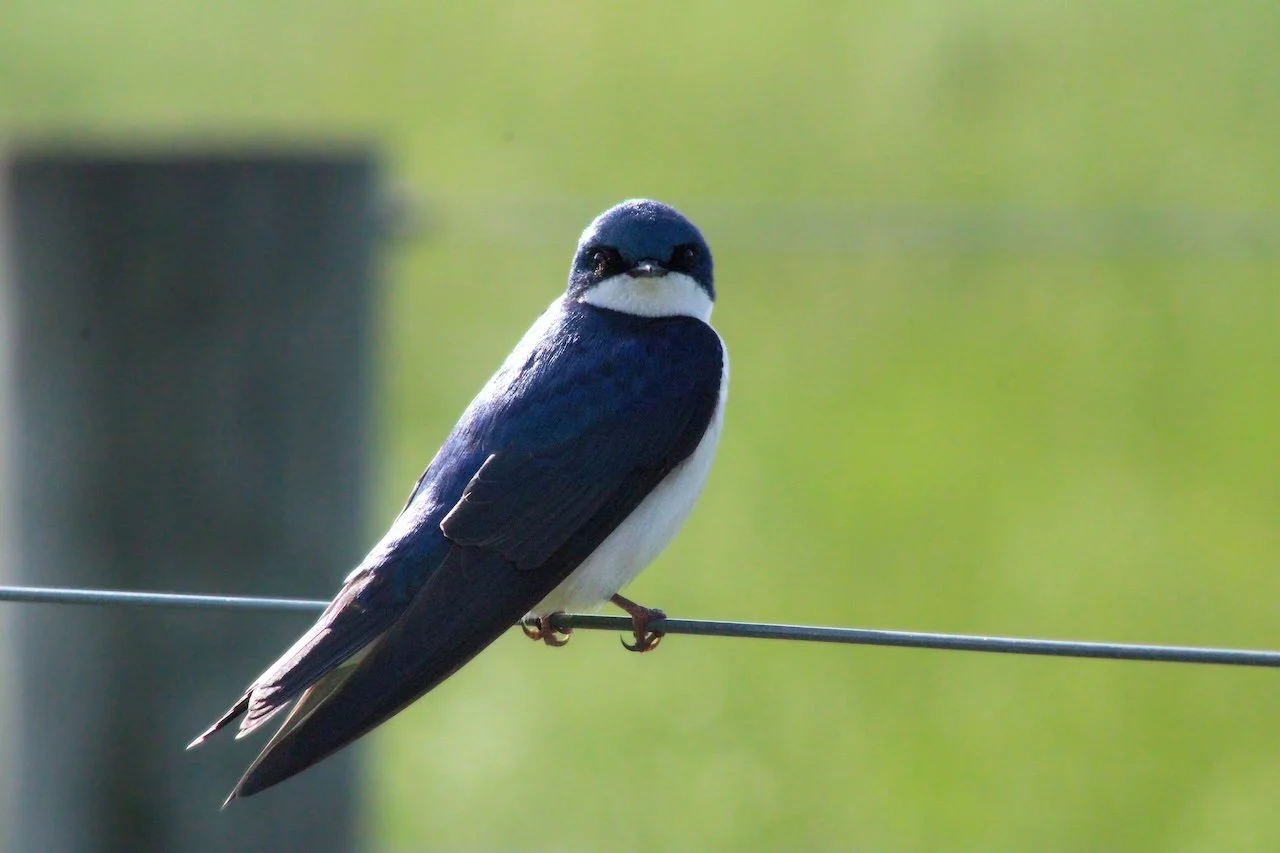
Tree Swallow — declining by 30%
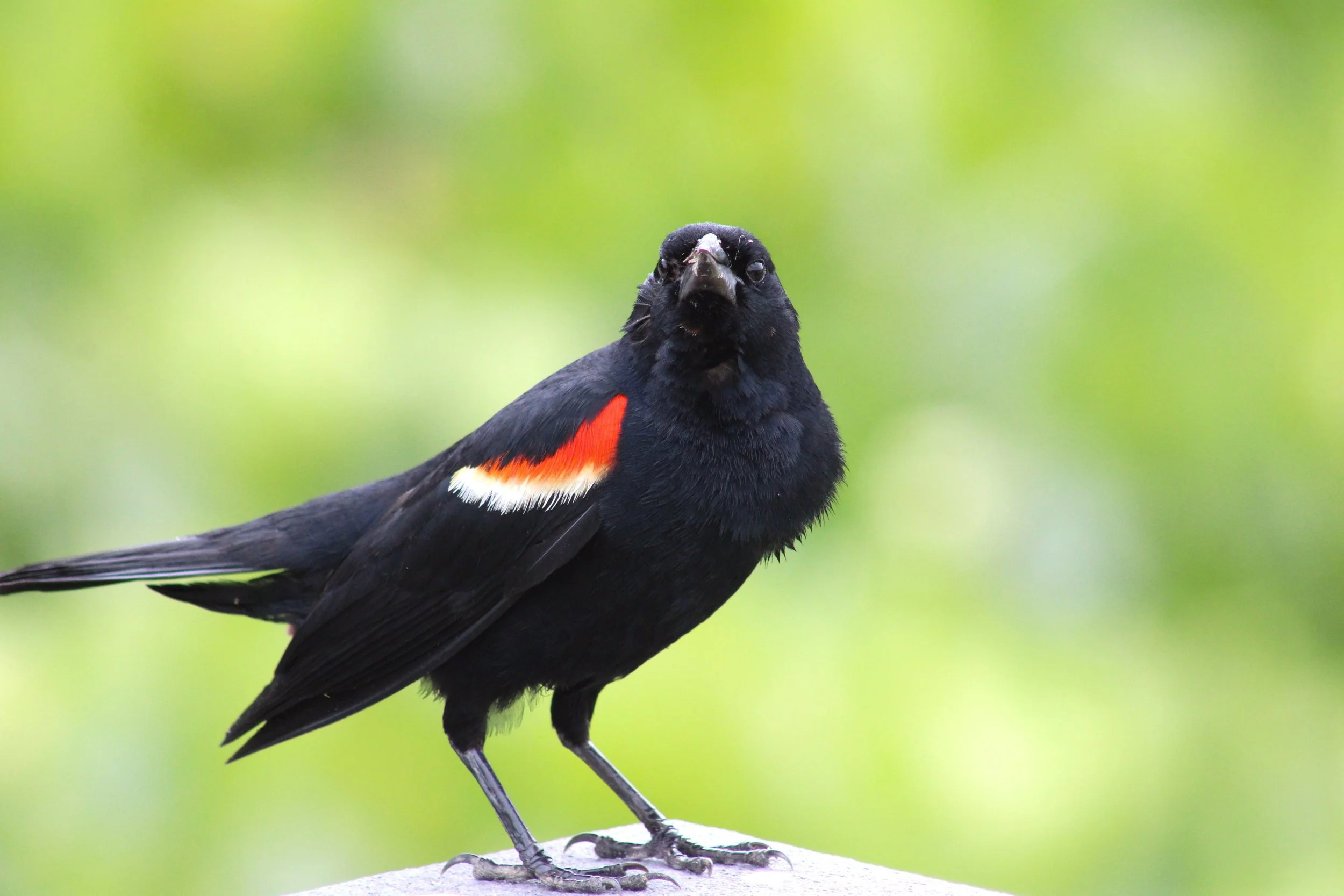
Red-winged Blackbird — declining by 35%
American Kestrel — declining by 50%
Bobolink — declining by 65%
Eastern Meadowlark — declining by 75%
* Data from Cornell University’s Birds of the World, declines measured since 1970
But together we can rebound these once common birds. Every patch of new meadow habitat is a beacon of hope for our songbirds!
3) Low maintenance
In contrast to lawns or traditional high-maintenance gardens, native meadows require little maintenance once established. They typically only need to be mowed once every year, usually in early spring at the end of the dormant season, saving time and money. Native plant communities don’t need the added fertilizer, herbicides, and pesticides that are incredibly harmful to natural ecosystems. While seedlings need to be watered in the first year of planting, once well-established, meadows are very drought-tolerant. They are an incredibly easy and effective method of landscaping!
4) Erosion prevention
Establishing native meadows is an important tool in preventing erosion. Unlike the common lawn grass, native meadow grasses and wildflowers have deep root systems. Switchgrass, for instance, one of the most common meadow grasses in the eastern and central U.S., has root systems that can extend up to 10 feet into the soil! These deep root systems prevent erosion and slow down water flow on sloped areas.
5) Carbon sequestration
Last but not least, native meadows play an important role in sequestering carbon and fighting climate change. Meadows sequester carbon by storing it in their deep root systems. Healthy, ecologically restored, meadow ecosystems are highly effective carbon sinks. With the right ecological conditions, meadows in many areas can sequester several times as much carbon as forests.