Why Habitats?
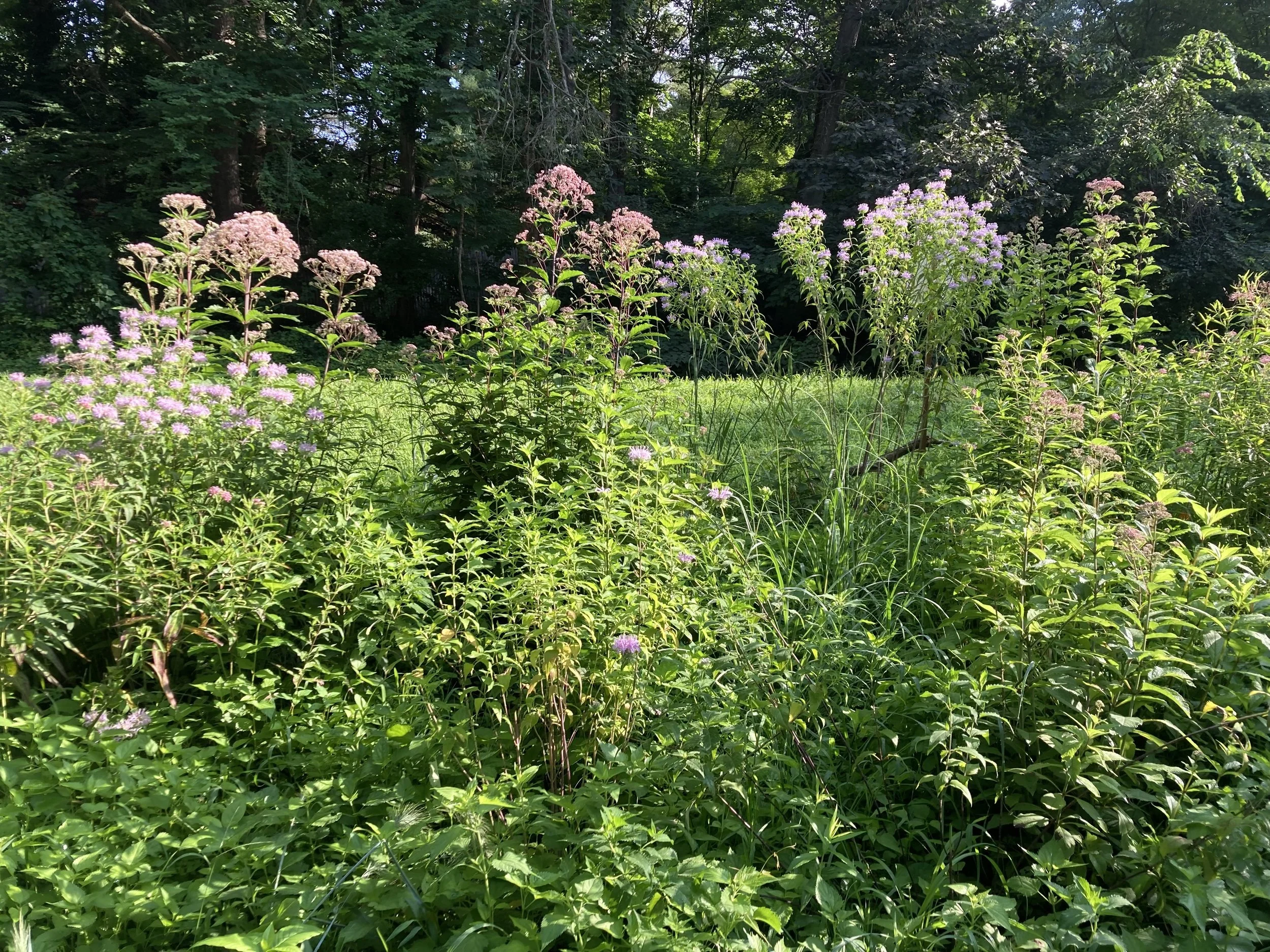
At Monarch Defenders Philly, we are committed to creating microhabitats within the urban environment to support biodiversity and connect people with nature. Microhabitats are small ecological oases planted with native plants throughout the city. Here are some of their myriad of benefits…
1) Bringing back pollinators
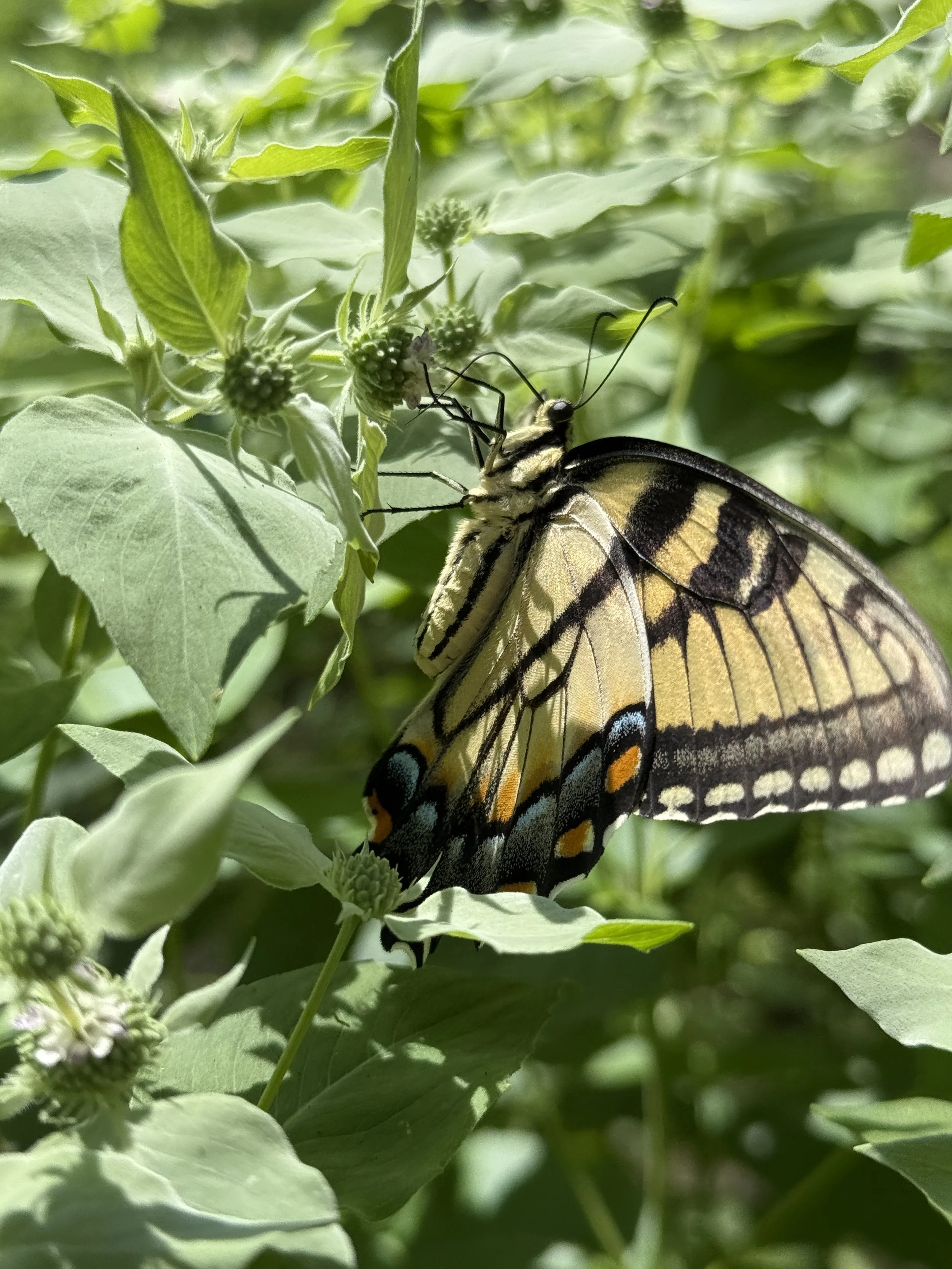
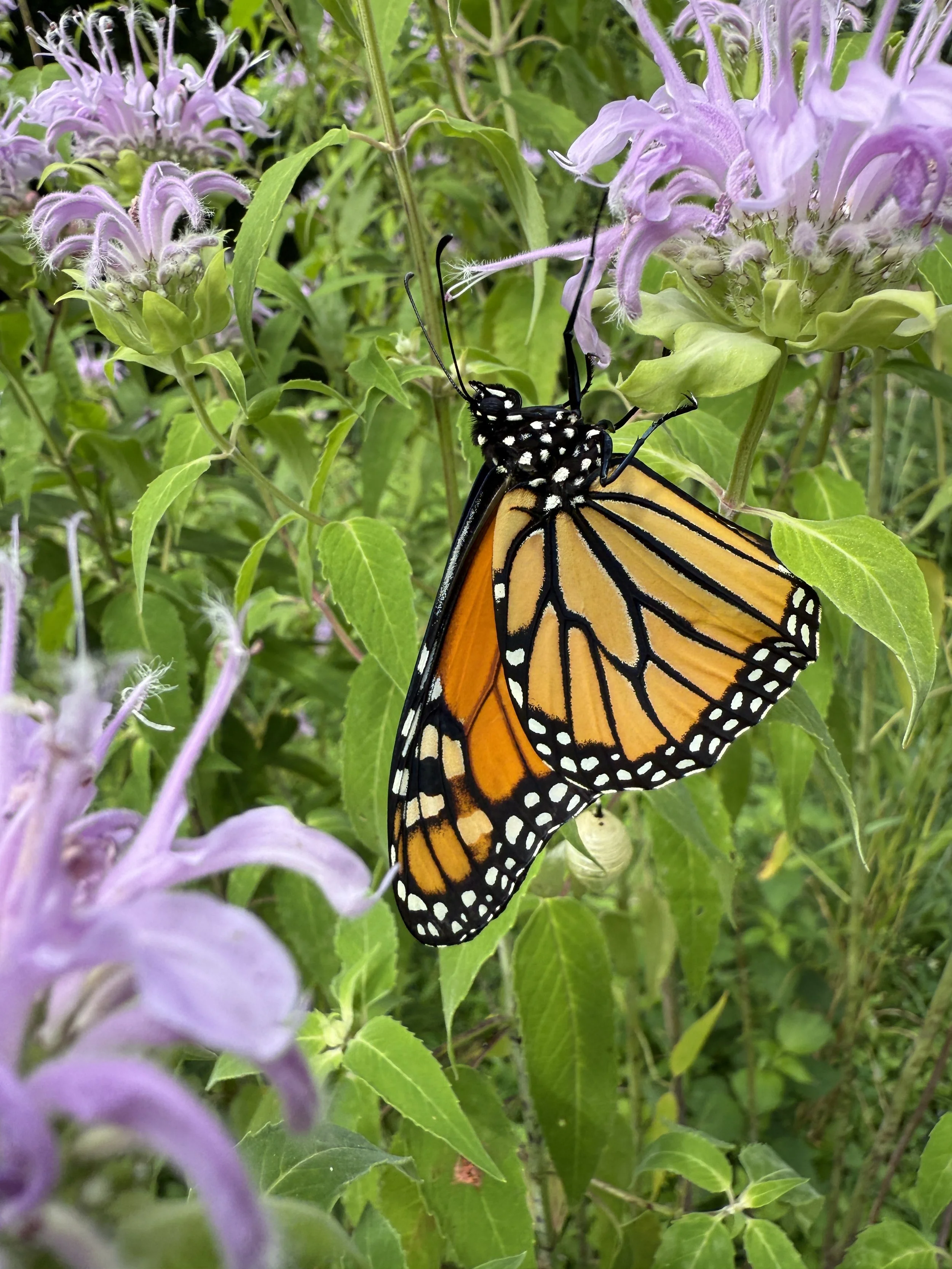
Urban microhabitats planted with native plants provide enormous value for our pollinators. Insect pollinators have developed crucial ecological relationships with native plant species and have evolved to depend on them for food, in a process known as co-evolution. For instance, our organization’s namesake pollinator, the monarch butterfly, depends on native milkweed plants for their survival. The incredible orange-and-black butterflies make an impressive journey every year from the eastern and central U.S. to central Mexico where they overwinter. With rapid loss of meadow habitat, monarch butterflies have declined by nearly 90% in the last few decades. But each new habitat we plant along their migratory route will play a role in rebounding their populations.
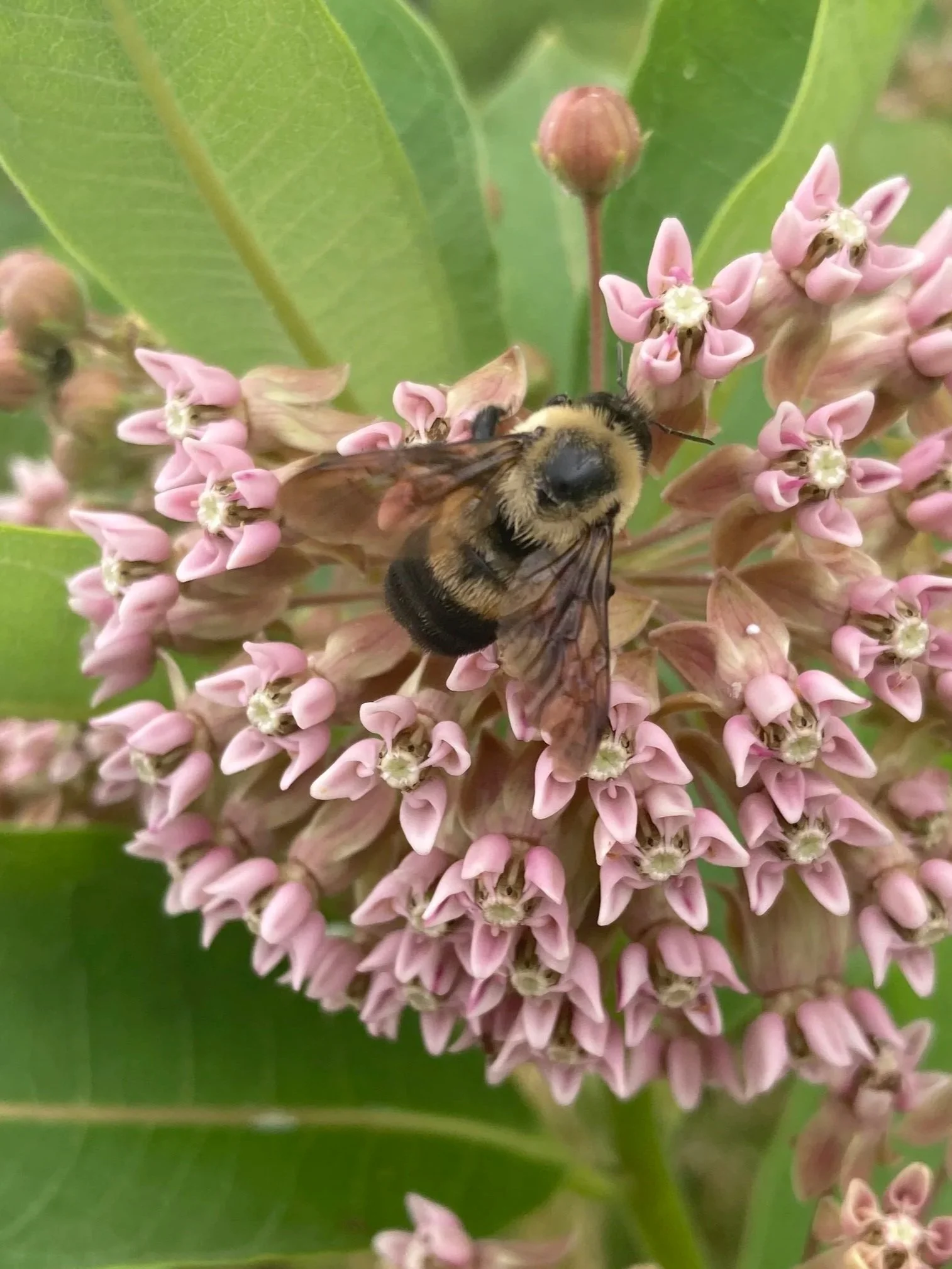
And it’s not just monarchs who are in trouble—some of our most essential pollinators are in crisis. Native bees are some the most effective insect pollinators and play a crucial role in pollinating many of our high-value crops (including squashes, apples, tomatoes, and blueberries), providing tens of millions of dollars to the economy every year. However, their populations are declining at alarming rates as the native plants they rely on are lost to development and herbicides. But by creating microhabitats in vacant lots, parks, schools, roadsides, and other unused areas in the urban environment, we can bring back the pollinators and reverse these worrysome declines.
2) Saving the birds
In addition to providing habitat for pollinators, urban microhabitats are crucial to birds and other wildlife. Native meadow plants provide food, shelter, nesting habitat, and other resources for our songbirds. As more habitat is lost, our birds are declining at worrysome rates, as both common goldfinches and rarer meadowlarks alike disappear from our cities and suburbs.
American Goldfinch — declining by 12%
Common Yellowthroat — declining by 26%
Song Sparrow — declining by 27%
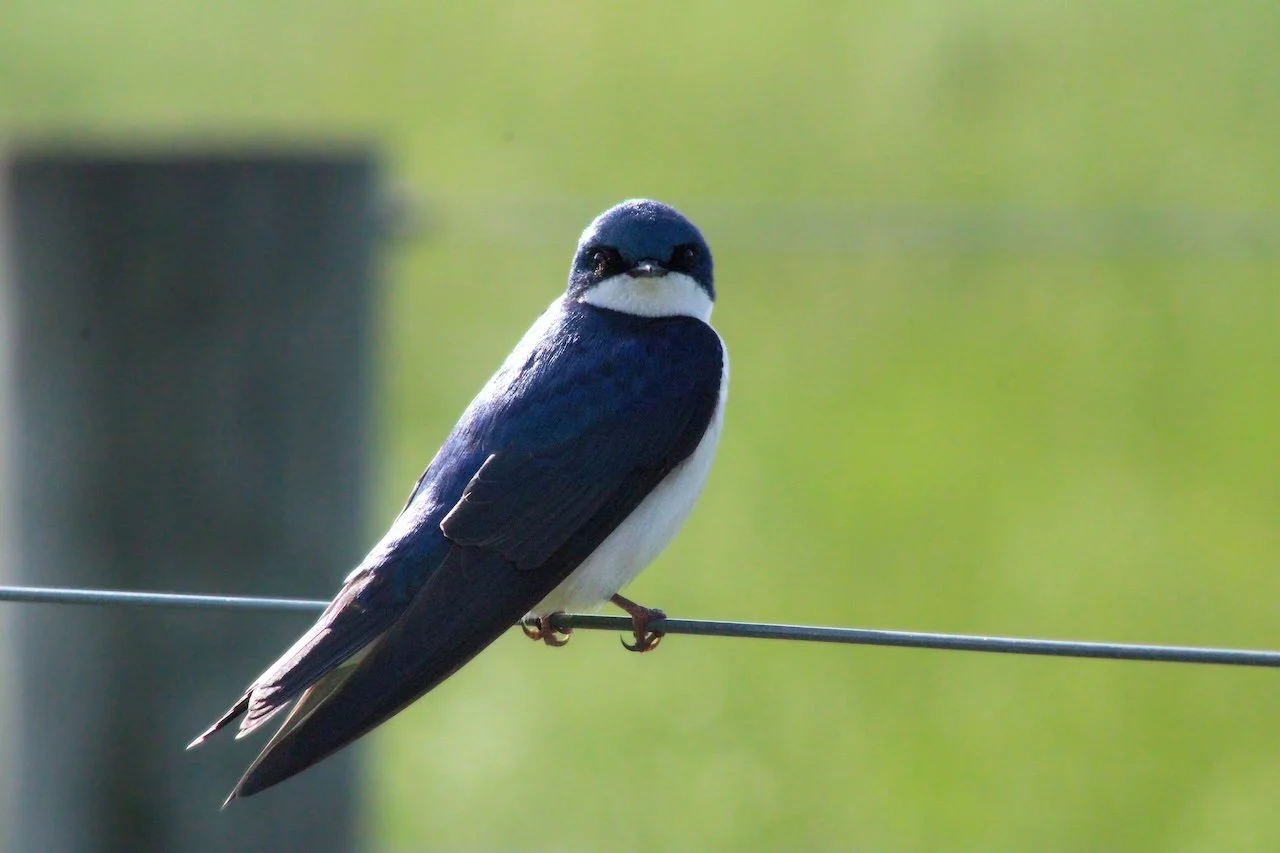
Tree Swallow — declining by 30%
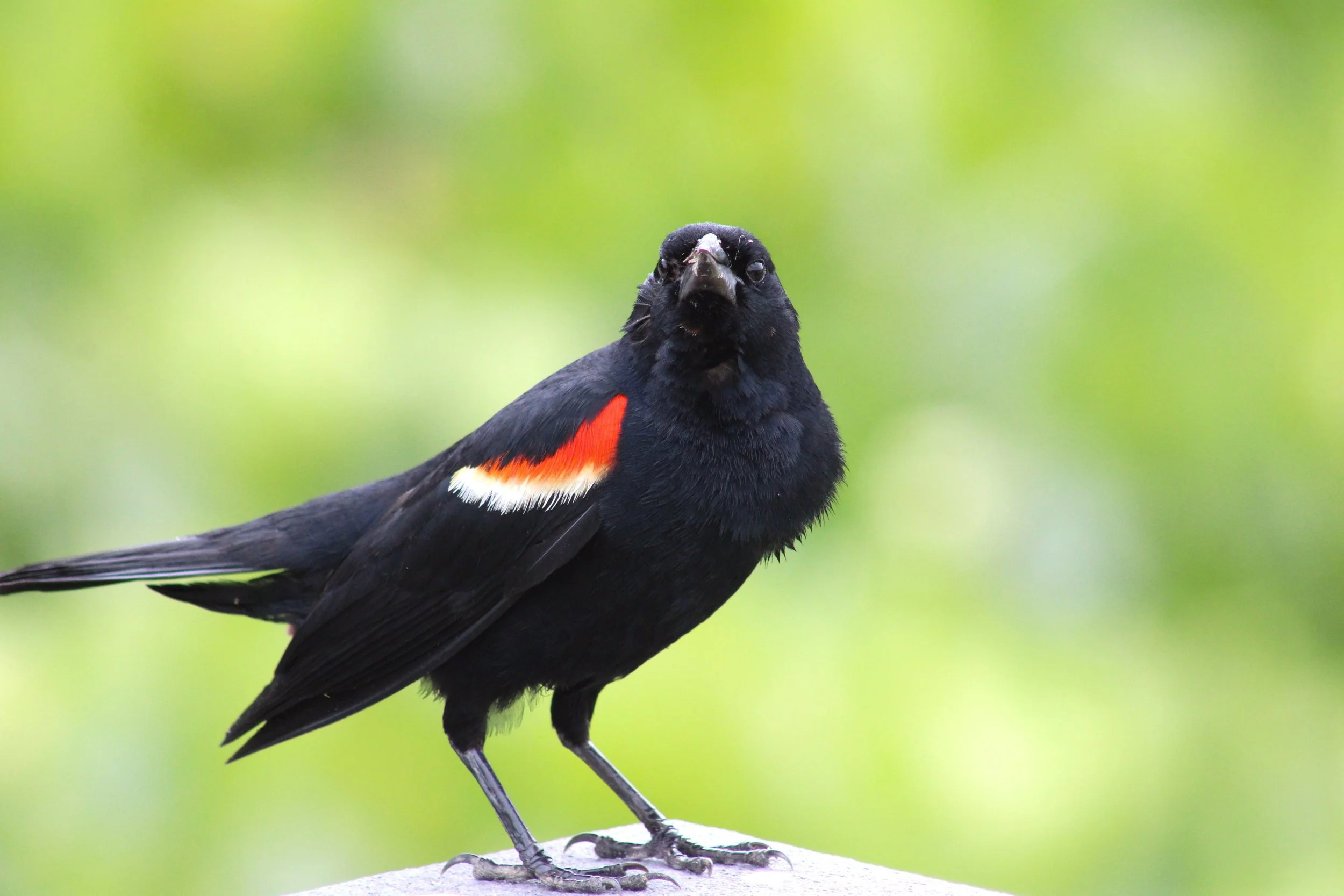
Red-winged Blackbird — declining by 35%
Bobolink — declining by 65%
Eastern Meadowlark — declining by 75%
* Data from Cornell University’s Birds of the World, declines measured since 1970
But together we can rebound these once common birds. Every new patch of habitat offers migrating birds a place to find food and rest. We can rebound their populations, one habitat at a time.
3) Climate resilience
As our city experiences more intense heat and rainfall from climate change, incorporating nature into the city is incredibly important for long-term climate resilience. Most native plants have deep roots that allow stormwater to soak into the ground, unlike traditional lawn grass which has shallow roots that cannot absorb increased stormwater. This will play a part in making our city more resilient to rainfall and flooding, which are currently causing damage to many neighborhoods in Philadelphia. Adding more trees to the urban environment plays a crucial part in reducing the urban heat island effect and making our city more resilient to increased heat in the summer. Trees, shrubs, and other vegetation cool the air by evapotranspiration, safeguarding communities against the effects of climate change.
In addition, adding nature to the city plays an important role in directly stopping climate change by sequestering carbon. Native meadows sequester carbon by storing it in their deep root systems. Healthy, ecologically restored, meadow ecosystems, in addition to the more frequently talked-about trees and forested environments, are highly effective carbon sinks. Adding these habitats into the city will aid in our large-scale fight against climate change in many ways.
4) Connecting people with nature
Urban microhabitats are incredibly important for connecting people with nature. Spending time in nature is crucial for our mental health, and studies have shown that even brief exposure to natural areas in the immediate surroundings lightens your mood and heals your body. Regular green spaces throughout the city nourish our bodies and maintain our mental health. Nature plantings connect communities with their natural surroundings, providing people in the city with easy access to green space. At Monarch Defenders Philly, we have installed interpretive signage at our sites, which links to our educational materials on the website, to educate community members about the importance of nature and connect city dwellers with their natural surroundings.
4) Low maintenance
In addition to all these other benefits, native habitats are low-maintanence, making them a great and affordable landscaping option. In contrast to lawns or traditional high-maintenance gardens, areas landscaped with native plants require little maintenance once established. Native meadows typically only need to be mowed once every year, usually in early spring at the end of the dormant season, saving time and money. Native plant communities don’t need the added fertilizer, herbicides, and pesticides that are incredibly harmful to natural ecosystems. Through building a corridor of urban microhabitats, we can rebuild the web of nature together…